UNESCO's Recognition > Communication & Information > The Memory Of The World - International Register > The Malay Annals
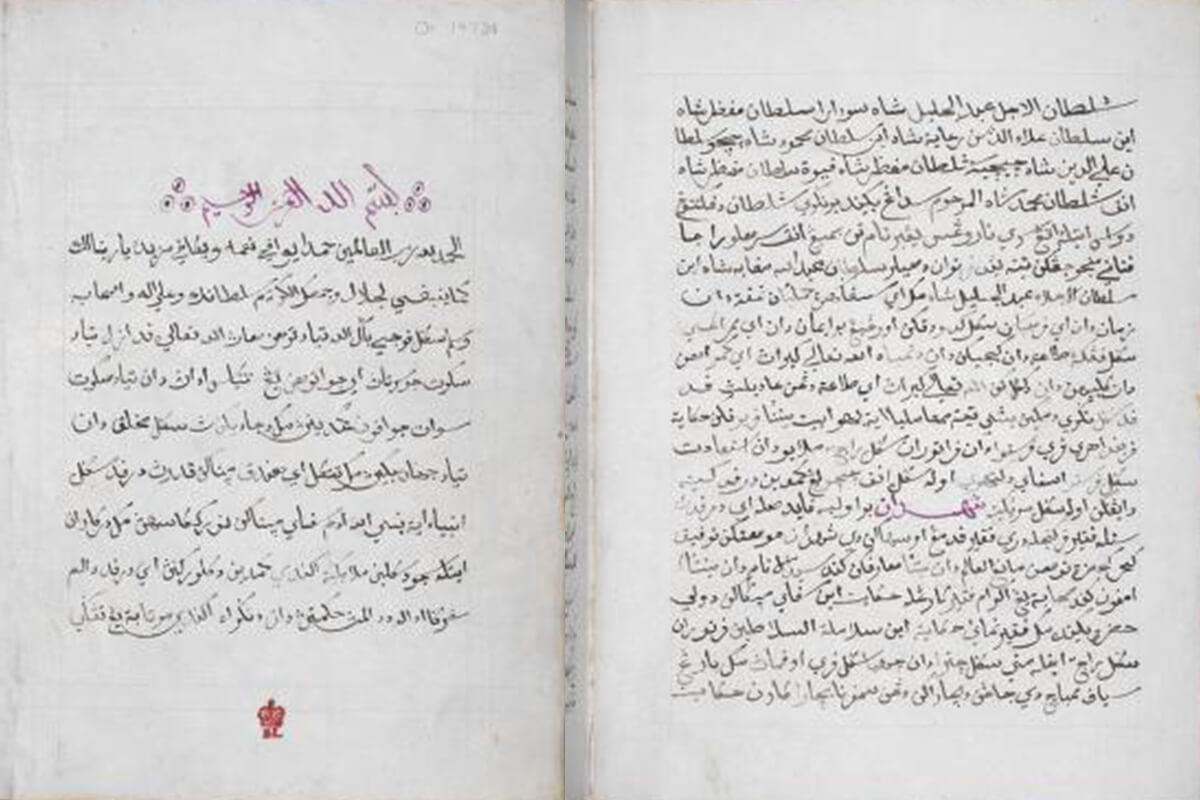
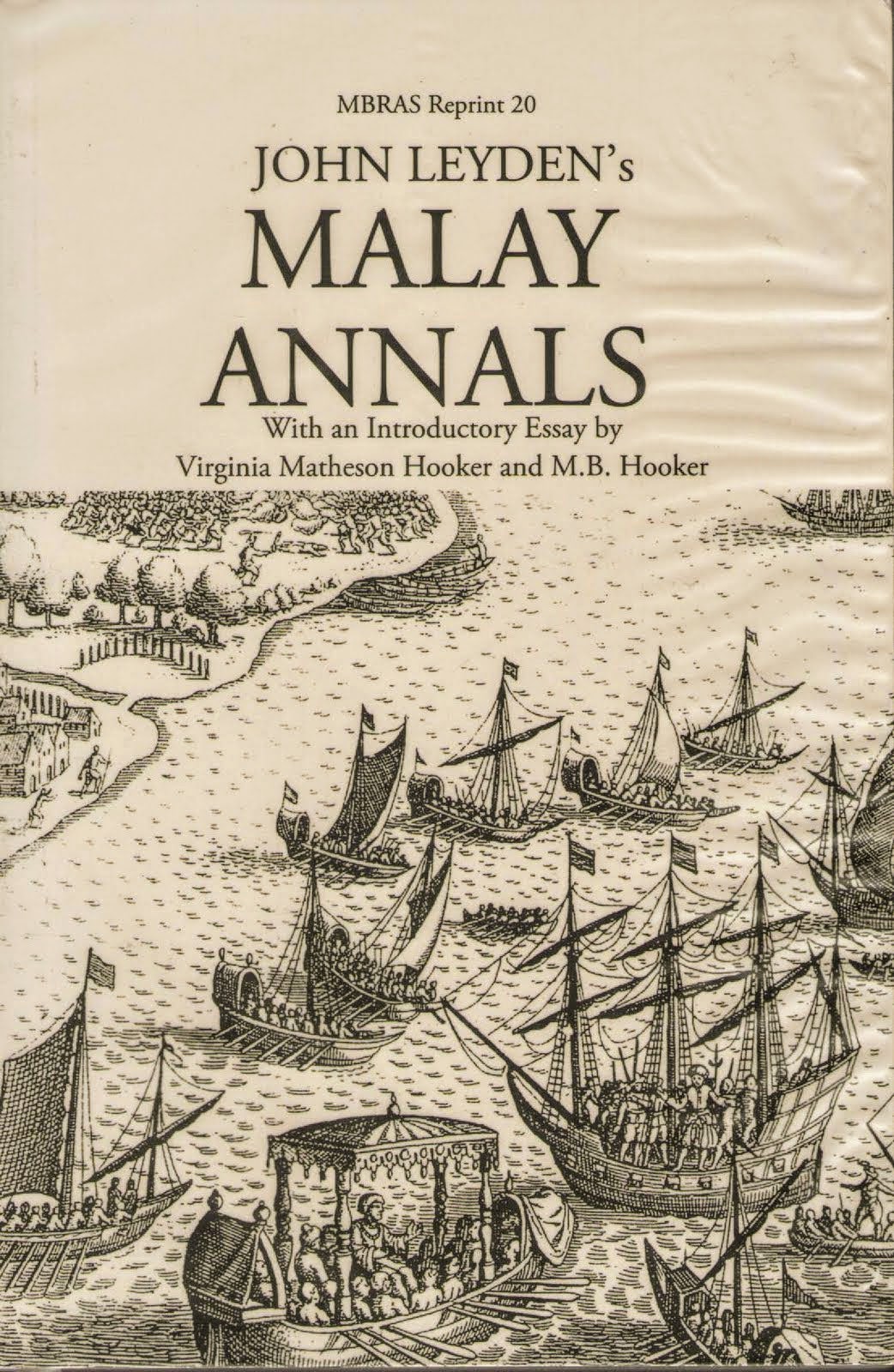
Sejarah Melayu - The Malay Annals (2001)
Where Legends and History Shape the Malay World.
Sejarah Melayu – The Malay Annals, also known as Sulalatus Salatin (Genealogy of Kings), is a cornerstone of classical Malay literature and historical narrative. Believed to have been composed in the 17th century, this text provides a sweeping account of the Malay world’s political, cultural, and spiritual evolution, centering on the glory and eventual decline of the Melaka Sultanate. Through its richly layered storytelling, Sejarah Melayu captures the founding myth of Melaka by Sang Nila Utama, dramatic tales of royal intrigues, courtly etiquette, and legendary warriors such as Hang Tuah and Hang Jebat. The manuscript not only reflects the transition of Malay courts from Hindu-Buddhist traditions to Islam but also conveys the values of loyalty, honor, and divine rule that shaped the socio-political framework of the time.
The Malay Annals is more than just a chronicle—it is a literary masterpiece that blends history, folklore, and cultural ideology into a single narrative tapestry. It has been preserved in numerous manuscripts and adapted over the centuries in both Jawi and Rumi scripts, influencing generations of storytellers, historians, and scholars throughout the Malay Archipelago. In recognition of its enduring significance, Sejarah Melayu was inscribed into UNESCO’s Memory of the World Register in 2001, affirming its value not only to the heritage of Malaysia but to the cultural memory of humanity. Today, it remains an essential reference for understanding the roots of Malay identity, kingship, diplomacy, and regional power dynamics in pre-colonial Southeast Asia.