
UNESCO's Recognition > Culture > Intangible Cultural Heritage
Intangible Cultural Heritage (ICH)
The main roles of the Intergovernmental Committee for the Safeguarding of the Intangible Cultural Heritage include advancing the goals of the Convention, advising on best practices, and suggesting measures to protect intangible cultural heritage.
The Committee reviews requests from States Parties to list intangible heritage and evaluates proposals for programmes and projects. It is also responsible for providing international assistance. Malaysia is part of the Committee for the term 2022-2026.

Mak Yong Theatre (2008)
This ancient theatre form, practised by Malaysia’s Malay communities, combines acting, vocal and instrumental music, gestures, and elaborate costumes. A typical Mak Yong performance consists of dances, acting, music, improvised monologues, and dialogues.

Dondang Sayang (2018)
This traditional art is still practised in Melaka by the Malay, Baba Nyonya, Chitty and Portuguese communities. The practice combines elements of music, songs and chants. Typically, Dondang Sayang singers are highly competent and skilled in poetry recitation or Pantun.

Silat (2019)
Silat is an ancient combative art of self-defence and survival rooted in the Malay Archipelago. Silat has evolved into an acceptable practice of physical and spiritual training encompassing traditional Malay attire, Silat musical instruments, and customs.

Pantun (2020)
Joint nomination with Indonesia
Pantun is a Malay verse used to express intricate ideas and emotions. It is the most widespread oral form in maritime Southeast Asia and has been used in many parts of the region for at least 500 years. Pantun may be transmitted through music, song, and writing.

Wangkang Ceremony (2020)
Joint nomination with China
Wangkang ceremony and related practices are rooted in folk customs of worshipping Ong Yah, a deity believed to protect people and their lands from disasters. Performances head the procession and clear a path for Ong Yah’s barge (wooden or paper-made models), which include dragon and lion dances, and puppet shows, among many others.
Songket (2021)
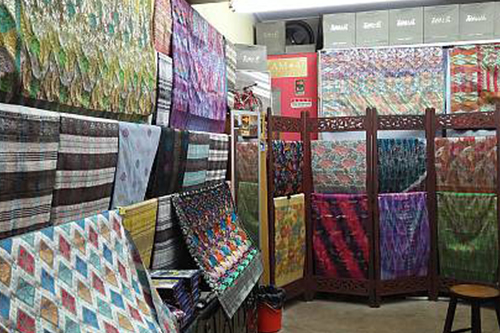
Songket is a traditional Malaysian handwoven fabric from the Malay Peninsula and Sarawak, crafted by women using gold or silver threads. Dating back to the 16th century, its geometric and organic patterns, like flowers and birds, are passed down through generations. It is worn for royal ceremonies, weddings, births, festivals, and state events.

Mek Mulung (2023)
Intangible Cultural Heritage in Need of Urgent Safeguarding
Mek Mulung is a traditional Malaysian performance that involves acting, dialogue, singing, and dancing. The main characters in a Mek Mulung performance are the king and princess, both of whom wear traditional dress, as well as the shaman, maids and antagonists.
Kebaya (2024)
Joint nomination with Brunei, Indonesia, Singapore & Thailand
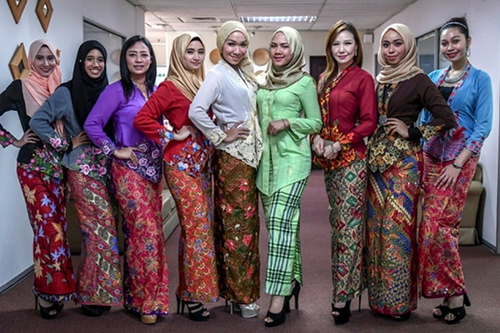
The Kebaya, a front-opening top with intricate embroidery, is secured with brooches or buttons and often paired with a sarong. Worn at casual and formal events, festivals, and in the performing arts, it varies across Southeast Asia yet serves as a unifying cultural symbol, transcending ethnicity, religion, and borders.

Breakfast Culture in Malaysia: Dining Experience in a Multi-ethnic Society (2024)
This living heritage showcases Malaysia’s diverse dietary traditions, featuring staple foods like Nasi Lemak, Roti Canai, and the popular The Tarik drink. Once linked to specific ethnic groups, these breakfast dishes have become a shared cultural tradition, uniting Malays, Chinese, Indians, and other communities as both producers and diners.

