UNESCO's Recognition > Culture > Natural World Heritage Sites > Kinabalu National Park
Kinabalu National Park, Sabah (2000)
Malaysia’s First UNESCO World Heritage Site
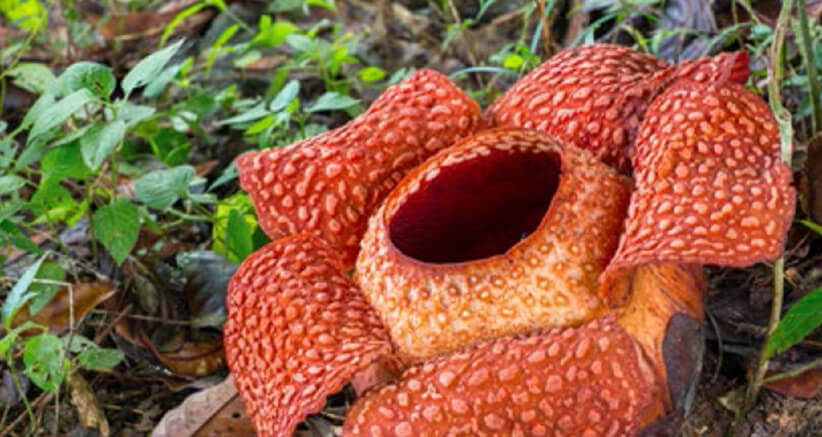
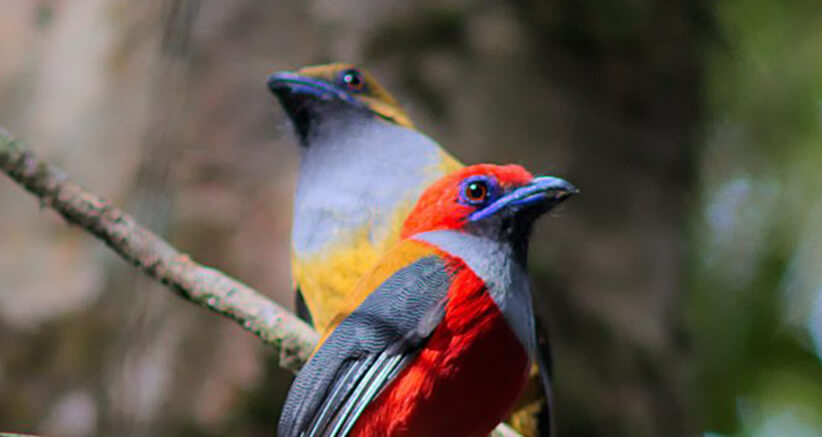
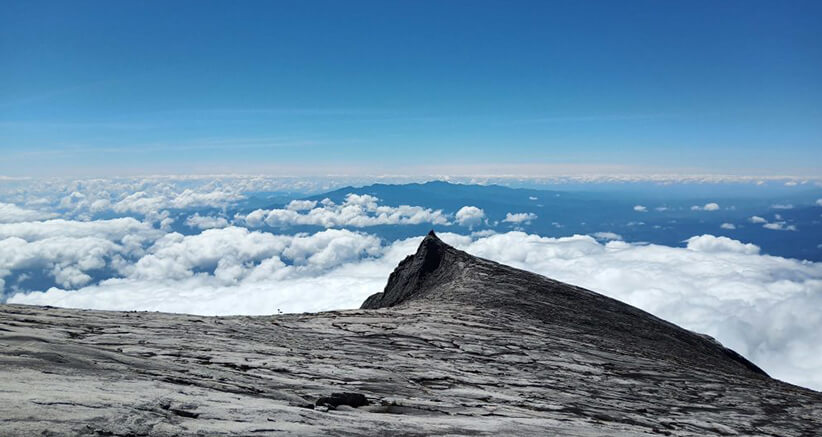
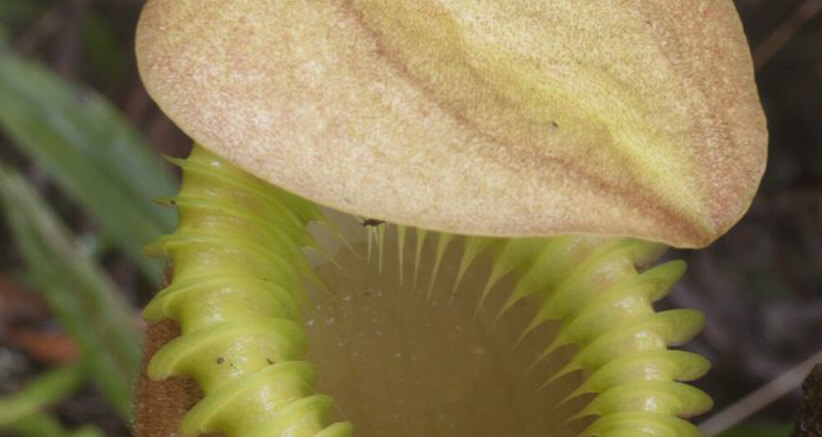
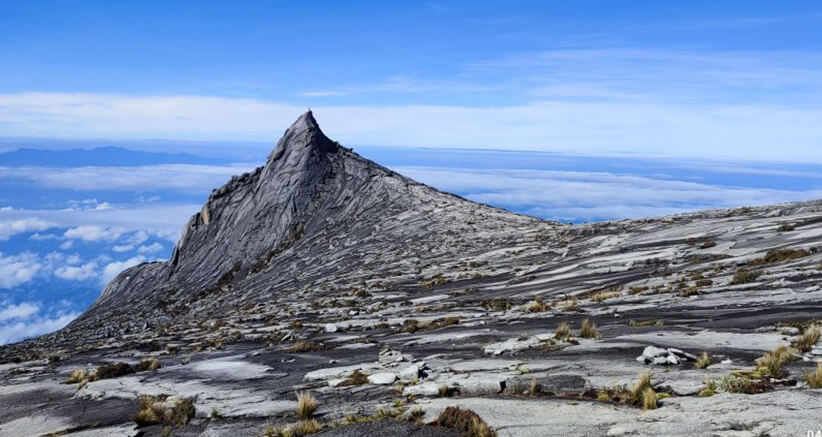
Kinabalu National Park, located in Sabah, Malaysia, is one of Southeast Asia’s most celebrated natural wonders and Malaysia’s first UNESCO World Heritage Site, designated in 2000. Covering an area of about 754 square kilometers, the park surrounds Mount Kinabalu, the highest peak in Malaysia at 4,095 meters above sea level. The park is internationally recognized for its incredible biodiversity, home to more than 5,000 species of plants, 300 species of birds, and 100 species of mammals, many of which are found nowhere else on Earth. Among its iconic species are rare orchids, carnivorous pitcher plants, and the gigantic Rafflesia flower.
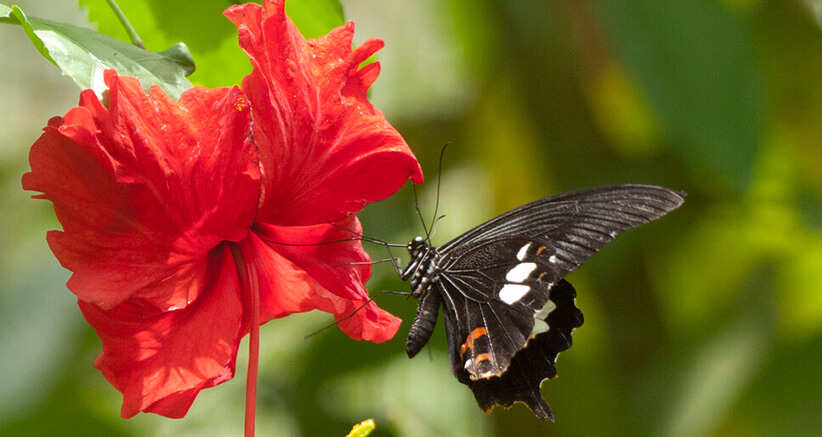
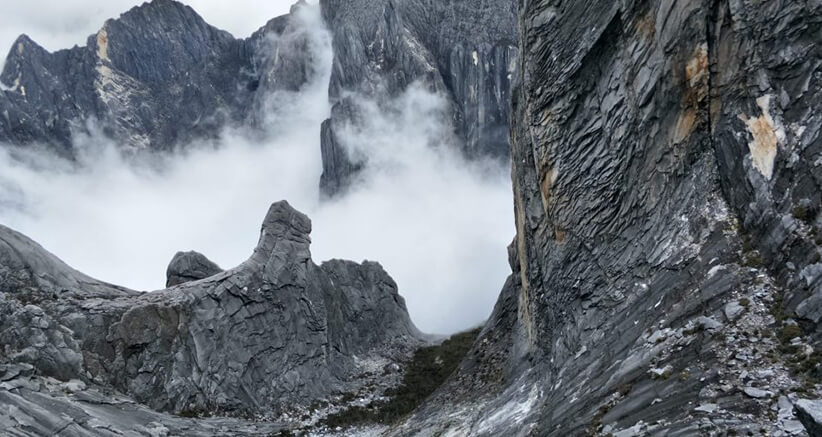
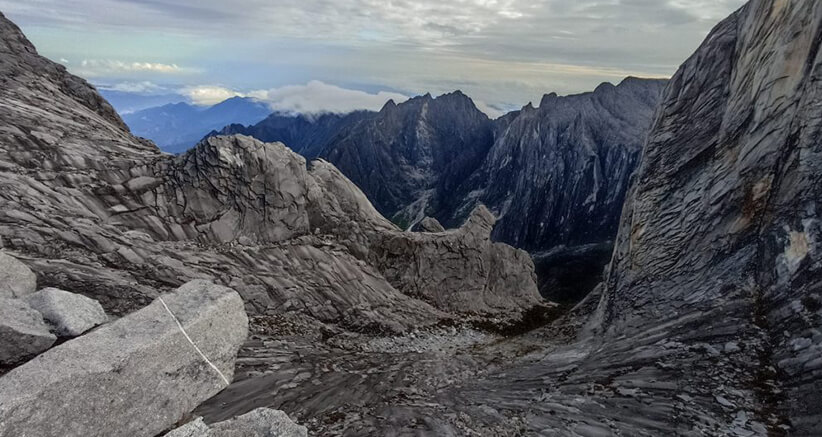
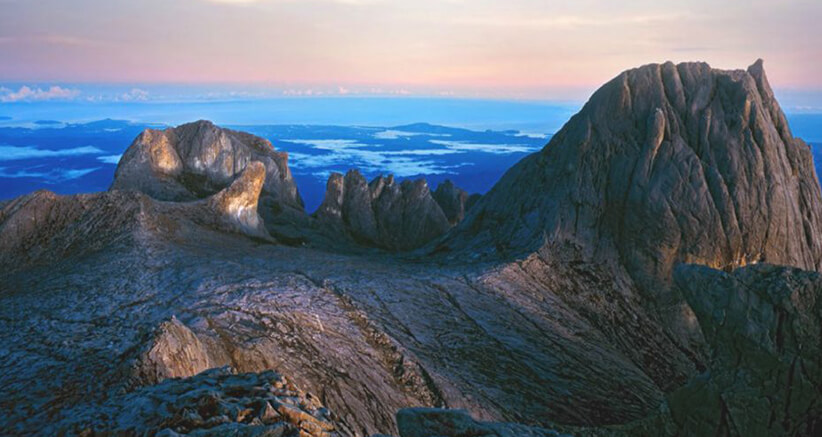
Mount Kinabalu itself is a geological marvel, formed by the uplift of granite over millions of years. The range of ecosystems within the park—from tropical lowland rainforests to alpine meadows—creates a rich mosaic of habitats supporting a wide variety of life forms. For visitors, Kinabalu Park offers not only the challenging and rewarding climb to the summit of Mount Kinabalu but also a network of nature trails through pristine forests, bird-watching opportunities, and a glimpse into the rich cultural traditions of indigenous groups like the Kadazan-Dusun. Nearby attractions such as Poring Hot Springs provide additional experiences like canopy walks, butterfly gardens, and natural hot baths. Kinabalu National Park stands as a stunning testament to Malaysia’s natural heritage, offering visitors a unique blend of adventure, discovery, and deep connection to nature.