UNESCO's Recognition > Culture > Cultural World Heritage Sites > Archaeological Heritage of Niah National Park’s Caves Complex
Archaeological Heritage of Niah National Park’s Caves Complex, Sarawak (2024)
Unlocking the Secrets of Ancient Malaysia
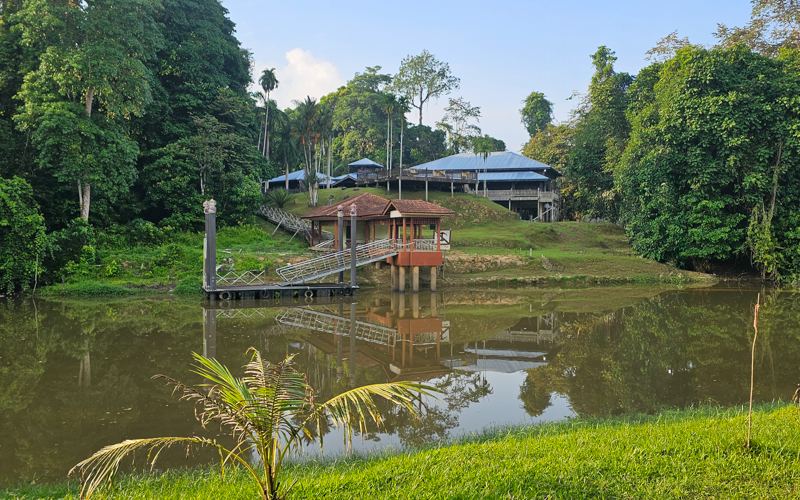
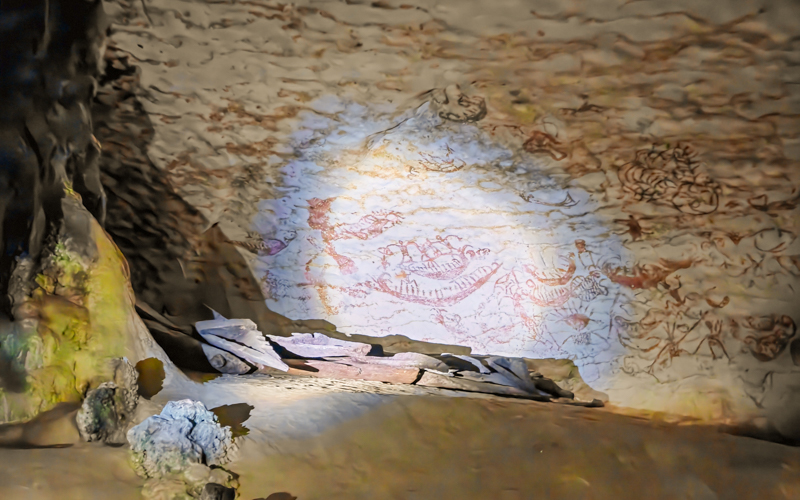
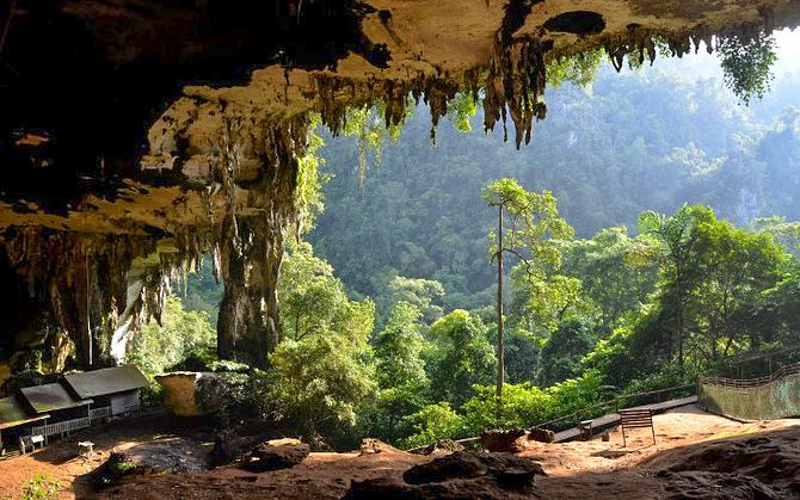
Located in Miri, Sarawak, Malaysia, the Niah Caves Complex is a site of exceptional natural beauty and profound historical significance. Designated as a National Historical Monument and a potential UNESCO World Heritage Site, the caves are renowned for their remarkable archaeological and ecological value. The complex serves as a window into the distant past, offering evidence of human habitation dating back over 40,000 years. The discovery of the Deep Skull in the Great Cave, believed to belong to a modern human from the Late Pleistocene era, marked a pivotal moment in Southeast Asian prehistory. In addition to this groundbreaking find, the caves have revealed numerous tools, pottery, and other artifacts that offer valuable insights into the early lives of human societies in the region.
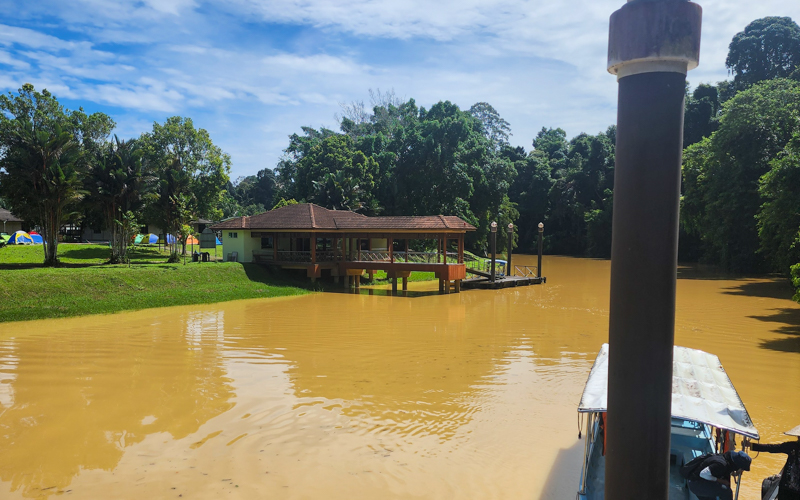
Beyond its archaeological importance, the Niah Caves Complex is home to a rich and diverse ecosystem. The park spans over 3,100 hectares of mixed dipterocarp forest, limestone karst formations, and subterranean ecosystems that support a variety of wildlife. The caves themselves form a vast network of chambers and tunnels, with the Great Cave being the most prominent. The caves are a sanctuary for species such as bats and swiftlets, whose guano contributes to the unique ecological environment of the area. The park’s natural landscapes are integral not only to the preservation of biodiversity but also to the local communities that have long relied on these ecosystems for survival.
The cultural relevance of the Niah Caves extends deeply into the lives of local Indigenous groups, such as the Iban and Penan. These communities have maintained strong cultural ties to the caves for centuries, especially through the traditional practice of bird’s nest harvesting. This practice has been passed down through generations and continues to be a vital part of local life. Tourism, driven by the caves’ historical and ecological significance, has provided substantial economic benefits to the region, offering employment in areas such as guiding, hospitality, and handicraft production. At the same time, the site fosters sustainable tourism practices through conservation programs and community involvement, ensuring that future generations can continue to enjoy and learn from this global treasure.